‘MUR – OLOGY’ 101 – Learn Skin Care Basics
 By Ms Racheal
‘MUR-OLOGY’ 101 – Learn Skin Care Basics.
by Ms Racheal, June 11, 2026
This guide covers commonly used skincare ingredients and the terminology found within the skincare industry. Clear definitions and simple analogies are included to help you understand each ingredient and its purpose.
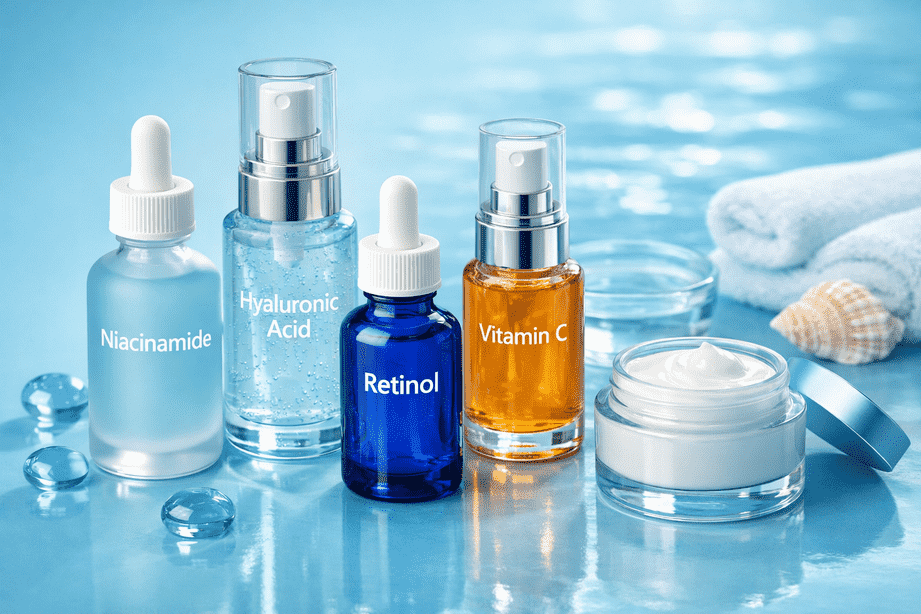
Hyaluronic Acid
Hyaluronic acid is a naturally occurring substance in the body, particularly in the skin, eyes, and joints. In skincare, it is added to products like serums, moisturizers, and masks. It is valued for its exceptional ability to retain moisture which results in deep hydration, improved plumpness, and a smooth, radiant appearance often referred to as a “glass skin” effect.
Hyaluronic acid also supports skin elasticity, helps reduce the appearance of fine lines, aids in skin barrier repair, and promotes wound healing.
It is suitable for most skin types, including sensitive and oily skin. Many brands like Olay, Curology, Peach Slices and Haruharu incorporate this ingredient into their formulations.
Glycolic Acid (AHA)
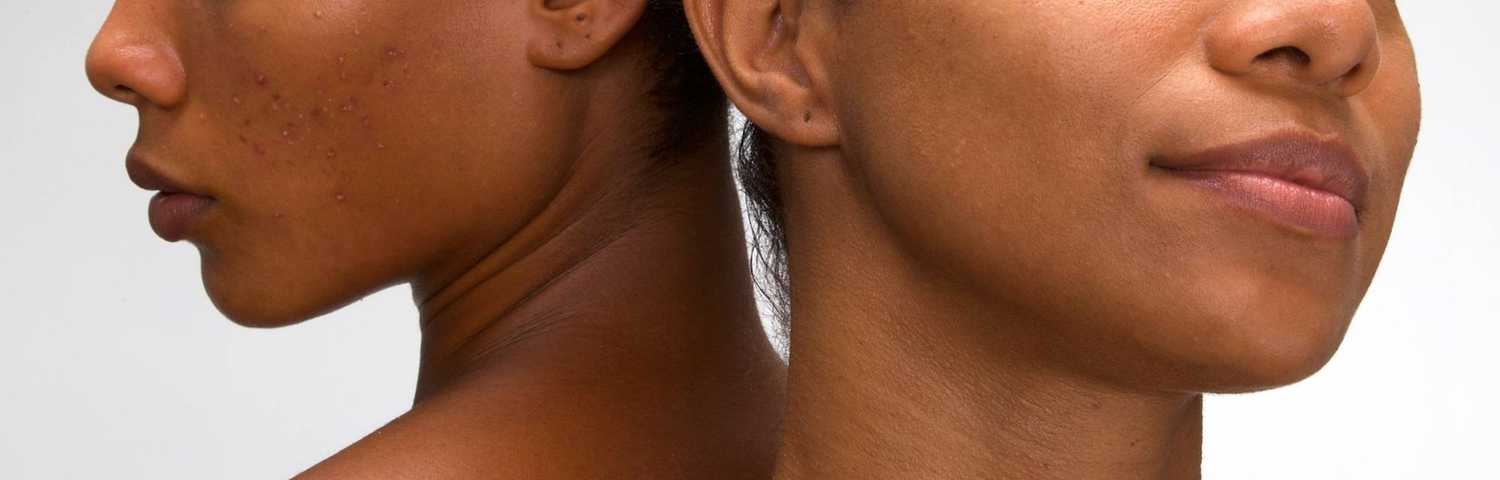
Glycolic acid is an alpha hydroxy acid (AHA) that exfoliates the skin by breaking down the bonds that hold dead skin cells, debris, and impurities on the surface. This process helps brighten the complexion, smooth skin texture, and promotes a fresher appearance.
Regular use can reduce excess oil, help prevent breakouts, and improve the appearance of acne, blackheads, and clogged pores. Glycolic acid also supports skin renewal, which can soften the look of fine lines and improve firmness over time.
Known brands, including The Ordinary, Neutrogena, La Roche‑Posay, and Versed, add glycolic acid into their formulations.
Glycolic Acid increases sun sensitivity so daily sunscreen is recommended, especially when it’s applied in the morning.
Ferulic Acid
Ferulic acid is a plant‑derived antioxidant commonly used in skincare products such as serums and creams. It helps neutralize free radicals caused by sun exposure, pollution, and environmental stressors, which in turn protects the skin from premature aging.
With consistent use, ferulic acid can help reduce the appearance of dark spots, early fine lines, and redness. An additional benefit is its ability to enhance the stability and effectiveness of other skincare ingredients.
Brands such as Medix 5.5 and Advanced Clinicals include ferulic acid in select formulations.
Niacinamide
Niacinamide is a form of vitamin B3 and a highly versatile skincare ingredient suitable for all skin types. It is commonly found in serums, moisturizers, toners, and sunscreens. Niacinamide helps minimize the appearance of pores, control excess oil, and gradually fade dark marks, acne scars, and sunspots.
This ingredient is especially beneficial for those with acne‑prone, sensitive, or easily irritated skin because it helps calm redness, reduce inflammation, and relieve heat or discomfort. With regular use, niacinamide leaves the skin feeling soft, smooth, and more even in tone.
Popular brands such as Beauty of Joseon, Anua, and Cetaphil offer a variety of niacinamide‑based products.
Retinol
Retinol is a milder form of vitamin A, also known as a retinoid, and is widely recognized for its anti‑aging benefits. It is commonly found in creams, serums, and nighttime treatments.
Compared to prescription retinoids, retinol is gentler and more suitable for gradual, long‑term use. Retinol works by accelerating skin cell turnover, helping to smooth and clarify the skin by removing dead cells and unclogging pores.
It also stimulates collagen production, which reduces the appearance of fine lines and enhances skin firmness and plumpness over time. In addition, retinol can help fade old acne marks and improve uneven skin tone.
Major brands such as SOME BY MI, TruSkin, Olay, and Medix 5.5 offer a variety of retinol‑infused skincare products.
Pro‑Ceramides
Your skin naturally produces ceramides, but pro‑ceramides take things a step further by supplying the building blocks your skin needs to create even more of its own ceramides.
This helps strengthen the skin from within rather than just coating the surface. By boosting the skin’s natural ceramide production, pro‑ceramides support moisture retention, reinforce the skin barrier, and improve overall protection against dryness and irritation.
They can also enhance the effectiveness of other skincare treatments by keeping the skin healthy and balanced.
Pro‑ceramides are commonly found in body washes, lotions, and creams from brands such as Dove, Dr. Althea, Lubriderm, and Equate.
Kojic Acid
Kojic acid is a naturally derived ingredient made from fungi and is well known in skincare for its gentle skin‑brightening benefits. It is commonly found in serums, creams, soaps, and facial cleansers.
Kojic acid works by slowing down the production of melanin—the pigment responsible for skin color and dark spots. By reducing excess melanin, it helps fade dark spots, acne marks, and sun damage while promoting a smoother, brighter, and more even overall skin tone.
Kojic acid is especially helpful for those dealing with uneven pigmentation caused by sun exposure, breakouts, or lingering marks.
Household names like Kojie San and Good Molecules offer kojic acid‑based skincare products.
Cocoa Butter
Cocoa butter is a natural fat derived from cocoa beans and is rich in fatty acids, antioxidants, and small amounts of vitamin E. It is widely known for its ability to deeply moisturize and soften dry skin. Thanks to its high fatty‑acid content, cocoa butter helps improve skin elasticity, allowing the skin to feel more supple, smooth, and bouncy over time.
With its soothing and antioxidant properties, cocoa butter can also help relieve itchiness, redness, and minor skin irritation, including dryness‑related eczema flare‑ups. Because cocoa butter is a rich ingredient, it may feel heavy on oily or acne‑prone skin and has the potential to clog pores for some individuals.
A patch test is recommended before regular use. Cocoa butter is commonly found in lip balms, lotions, and creams from brands such as Palmer’s, Equate, Nivea, and Vaseline.
Shea Butter
Shea butter is a natural ingredient derived from the nuts of the shea tree and has been used for hundreds of years to moisturize and care for the skin. It is commonly found in lotions, creams, and lip balms due to its deeply nourishing properties.
Shea butter is rich in vitamins A, E, and F, along with fatty acids, antioxidants, and anti‑inflammatory compounds. This ingredient helps moisturize and hydrate the skin while calming and soothing irritation caused by dryness, sun exposure, or conditions such as eczema.
Shea butter also supports the skin barrier and promotes healing for small cuts, scrapes, chapped lips, and rough patches. You’ll often find shea butter in high profile brands like EOS and Tree Hut.
Vitamin C
Vitamin C is a powerful skincare ingredient known for its brightening and skin‑revitalizing benefits. It works by boosting collagen production, which helps improve skin firmness and reduce the appearance of fine lines over time. Vitamin C is especially effective at fading dark spots, including acne marks, pimple scars, and sun‑related discoloration.
As a strong antioxidant, vitamin C helps protect the skin from free radicals caused by pollution and everyday environmental stressors that can speed up skin aging. When used consistently—especially alongside sunscreen—it promotes a more even skin tone, smoother texture, and a healthy, glowing complexion. Vitamin C is commonly found in serums, creams, lotions, moisturizers, and toners.
Industry favorites like Bliss, Dr. Teal’s, and Clinique offer vitamin C‑based products, while supplements from brands like Nature’s Bounty, Luna Health, and Youtheory also contain high levels of vitamin C.
Tri‑Ceramide Complex (Ceramides, Cholesterol + Fatty Acids)
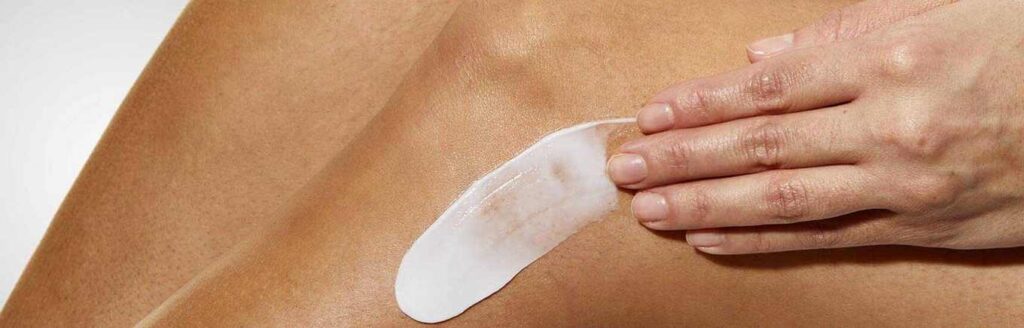
The tri‑ceramide complex supports your skin’s natural defense system, known as the skin barrier, which locks in moisture and treatments while keeping out irritants like pollution and germs.
Your skin naturally produces ceramides, cholesterol, and fatty acids in a specific ratio to keep the barrier healthy. However, this balance can weaken due to acne, over‑cleansing, sensitivity, or environmental stress.
By closely mimicking the skin’s natural structure, tri‑ceramides help strengthen the barrier, improve moisture retention, and reduce flakiness—keeping skin soft, plump, hydrated, and resilient throughout the day.
BYOMA is known for using a patented Tri‑Ceramide Complex, while other ceramide‑focused brands include CeraVe, La Roche‑Posay, Lubriderm, Eucerin, and Dr. Althea.
Non‑Comedogenic
If your skin is prone to pimples, blackheads, or feeling clogged, seeing non‑comedogenic on a skincare product is a big win. Non‑comedogenic simply means the product—or its ingredients—is formulated not to clog pores or cause comedones (the technical term for blackheads and whiteheads).
This makes non‑comedogenic products especially suitable for oily, acne‑prone, or breakout‑prone skin, as they help keep pores clear and breathable. Because they don’t weigh the skin down, they also allow other skincare ingredients to work more effectively. You can safely layer non‑comedogenic products with actives like salicylic acid, niacinamide, ceramides, kojic acid, or squalane without worrying about pore congestion.
Many trusted brands label their cleansers, moisturizers, sunscreens, and serums as non‑comedogenic, including CeraVe, La Roche‑Posay, The Ordinary, Neutrogena, Cetaphil, BYOMA, and several teen‑friendly brands.
Paraben‑Free
If you’re into “clean” or gentler skincare routines, seeing paraben‑free on a product can be reassuring. Parabens are a group of preservatives—such as methylparaben and propylparaben—commonly used in skincare to prevent the growth of bacteria, mold, and yeast. They help products stay safe and effective for longer periods of time.
Some people choose to avoid parabens due to concerns about skin sensitivity or irritation, especially those with sensitive or eczema‑prone skin, or those who prefer to limit certain ingredients in their long‑term routines.
Paraben‑free products use alternative preservatives instead, which may include plant‑derived ingredients like vitamin E, rosemary extract, or radish root ferment, as well as other approved synthetic preservatives.
Some of the well-acclaimed go-to names that are paraben-free are Burt’s Bees, Native, Aveeno, and Method Body.

Releated Posts

Want to Start Your Skincare Journey?
Want to Start Your Skincare Journey? Worried About Spotting Premium Products vs. Fakes? Read On. by Ms Racheal,…
 By
By
Tips for Managing Oily Skin in Hot and Humid Climates
Tips for Managing Oily Skin in Hot and Humid Climates by Mike Kwame Essel, December 23, 2024 Living…
 By
By
How to Identify Your Skin Type: A Simple Guide
How to Identify Your Skin Type: A Simple Guide by Mike Kwame Essel, August 16, 2024 Understanding your…
 Login
Login